Automatic translation of the archived Russian text. Recordings and text within images remain in their original language. Read the Russian original
About this material
How to design a location around the mental map a player builds, starting with key points and their connections before adding landmarks, viewpoints, guidance and movement constraints.
Level design differs from many game-development professions in that you can't study it at university. I used to think the closest relevant academic discipline was architecture. Now I'm leaning towards psychology. Designers need to know how the gears turn in a player's head to work with them. After all, the player makes decisions and experiences fun in their mind, not on the monitor. Unfortunately, I have no psychology degree, and my knowledge is superficial and mostly intuitive. So take everything below with a skeptical eye.
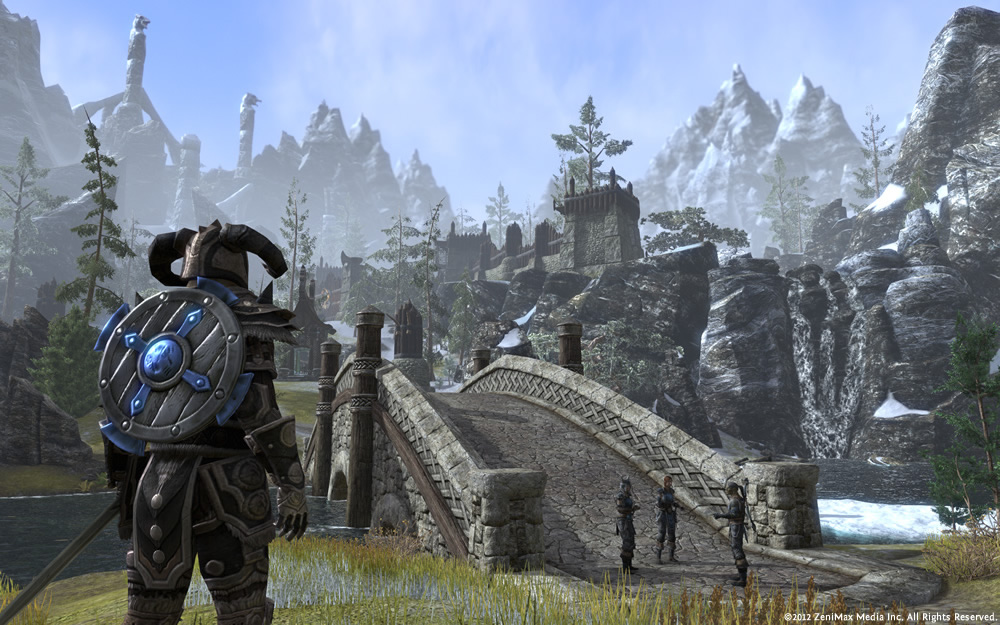
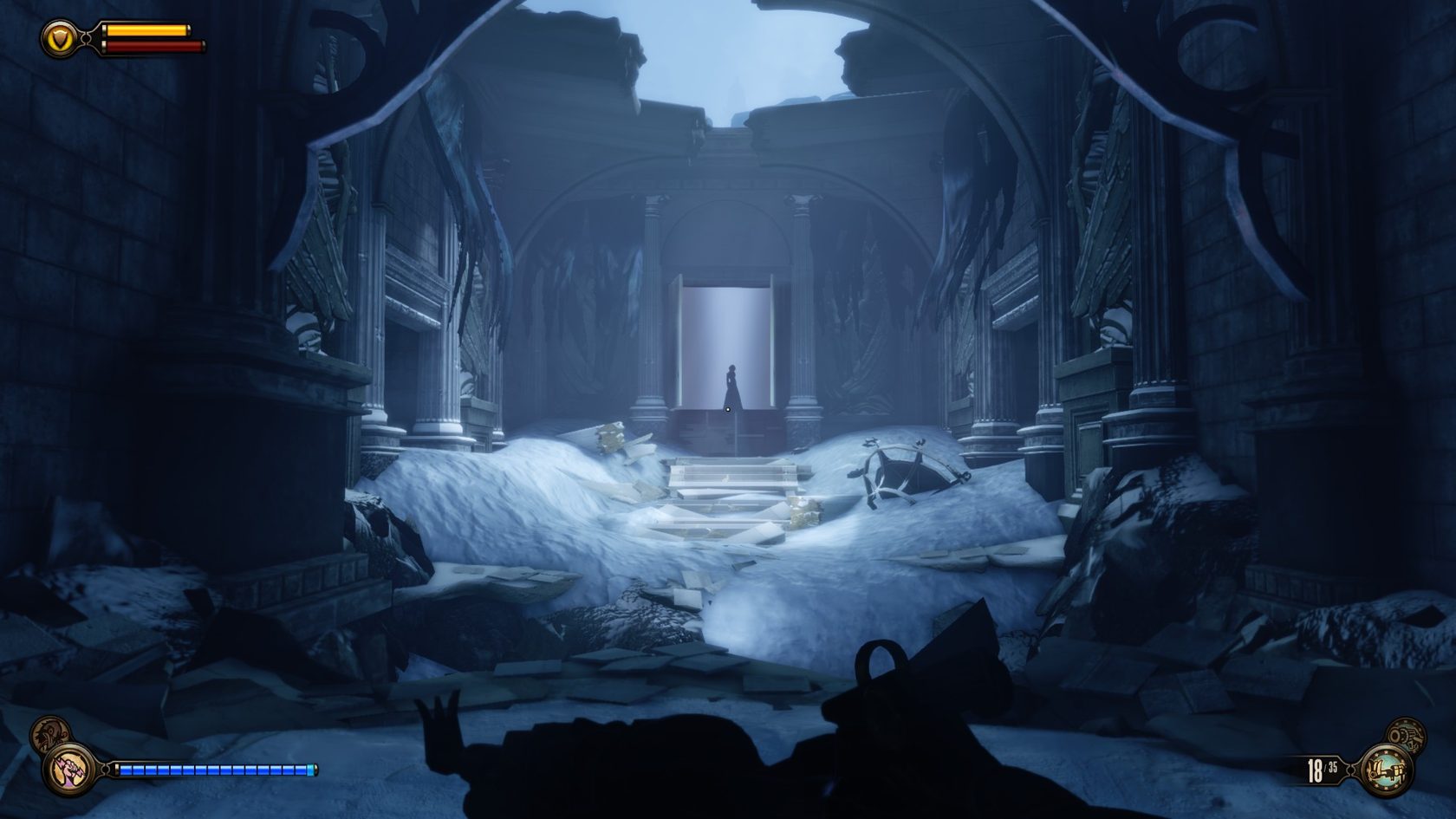
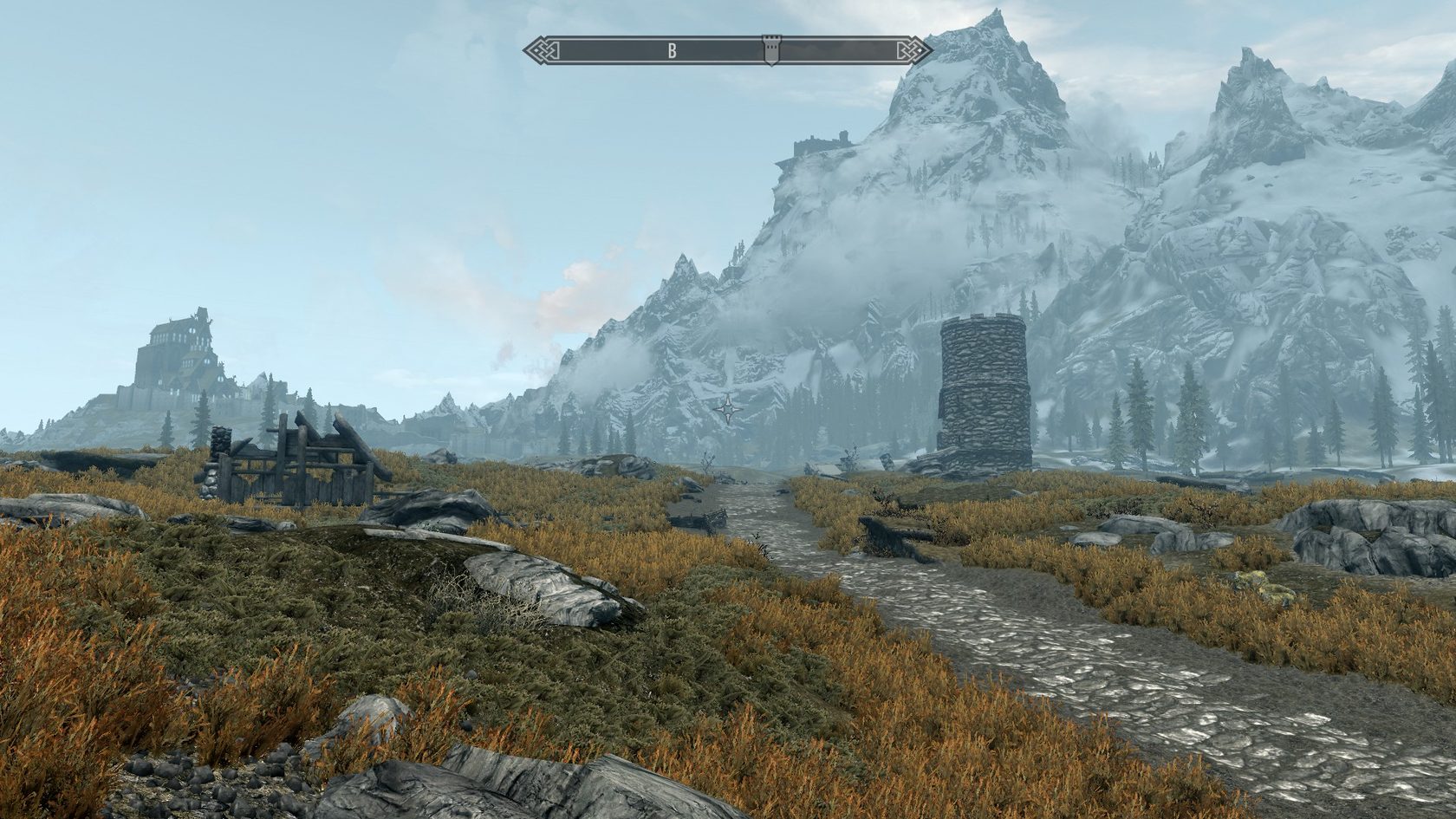
Let's start with the fact that we know nothing about this world. Look at the nearest power socket. Do you know its voltage? Don't tell me 220 volts. That's prior knowledge, not the present state of affairs. Even if you plug in a voltmeter, you'll know the number displayed by the instrument, but that's a number on a device, not volts in the socket. You can't count them with your eyes. Nor with your hands—please don't try. Yet nobody complains about using sockets every day relying only on accumulated experience and instrument readings. Let's count the light on a kettle as a diagnostic instrument for the presence of the required voltage. Another example. It's summer, with lots of green trees outside. But what tells us their leaves are green? Where does that knowledge in our heads come from? We could say it is information the brain produces from signals sent by the eye's photoreceptors, which respond to the wavelengths reflected by the leaves. That's the simple explanation. We don't actually know the leaf, but we have our own voltmeters, our eyes, and accumulated experience: we've seen that color before. That is enough for us to live calmly without startling at every tree. In a sense, we live in a submarine, navigating by instruments, but we've done it successfully for so long that we're used to it and don't complain. That's normal. Video games haven't existed as long as electricity, let alone green leaves. They evolve and constantly change. We aren't used to them yet. When we place a house in a level editor, it too must pass through a chain of interactions to reach the player's mind, and each link can distort the information. Players don't see the whole map, only what the camera shows. They don't perceive the entire monitor image at once, only what their attention focuses on. Between the eyes and brain, information is processed and filtered. Only a small fraction of what the level designer works with when creating a location reaches the player's awareness. It is therefore crucial to understand how things work in the mind, so the information received is as useful as possible. It would be naive to assume that because objects have coordinates in the map editor, they are stored in the player's mind as coordinates and relative distances. The brain works quite differently, using a cognitive map, where the whole location is represented as a set of key elements and connections between them. This is the picture we see on screen:
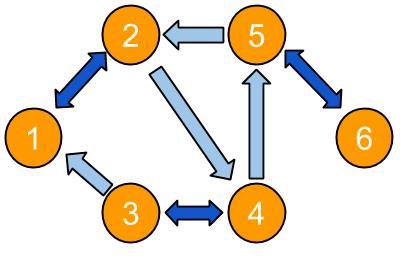
In our minds, the picture breaks down into entities and their connections, something like this: When we tell players to reach the ruins in the background, their minds start searching for a route between Me and Some Ruins, via the fortress, bridge and three NPCs they must decide how to deal with. It seems obvious, hardly a science. But why did the route go over the bridge when the river can be swum anywhere? Because the bank is too large an entity to fit on the map and interact with the other blocks. It might appear if the brain were focused on avoiding strangers. But the situation looks peaceful, so the brain saves resources and puts only the most obvious elements on the map. For better synchronization with players, we should therefore begin a location's design with how we want it represented in their minds. That is the highest priority; details come in the next layer. I encountered the method of planning a location through key points and connections rather than scale in this article about molecular design. I recommend reading it whether or not you agree with what I'm saying here.
First, determine how many points production limits and the length of a play session let us support. Draw how those points connect. Keep in mind that the more connections a point has, the more choices players have there. A point connected to only two others is merely a transit point between them. With three connections, arriving along one leaves a choice of two directions. Remember Sid Meier: “A game is a series of interesting choices”. What kind of game do we have if we give players no choice? Even if the genre requires overall linearity, we can imagine a chain of “rooms”, each with space for choice inside. One-way passages make choices irreversible, and therefore more interesting. Now that we have an abstract picture of points and connections, we can add details. A point with two connections is something with an entrance and exit: a corridor, canyon, path through dense forest, tunnel or fenced road. A point with one connection is a dead end, blocked from further movement, though not necessarily by walls. Three connections make a junction, a room with two doors—hello, The Stanley Parable. Four or more make a hub, an interchange, a town with several streets. That last option is complex enough to benefit from the same molecular-design approach. It doesn't matter if the diagram grows into a fractal: that's a perfectly systematic solution. Nature likes fractals. The next step is to distribute gameplay-important spatial elements across the diagram. Barriers . Once we've established that one point isn't connected to another, we need to make it real: prevent passage between them by creating a barrier. A game level is inevitably bounded, so players can't be allowed beyond its edges. But don't narrow your thinking to walls, or mountains at larger scales. When playing popular games, notice the different solutions used to prevent players leaving the gameplay area.
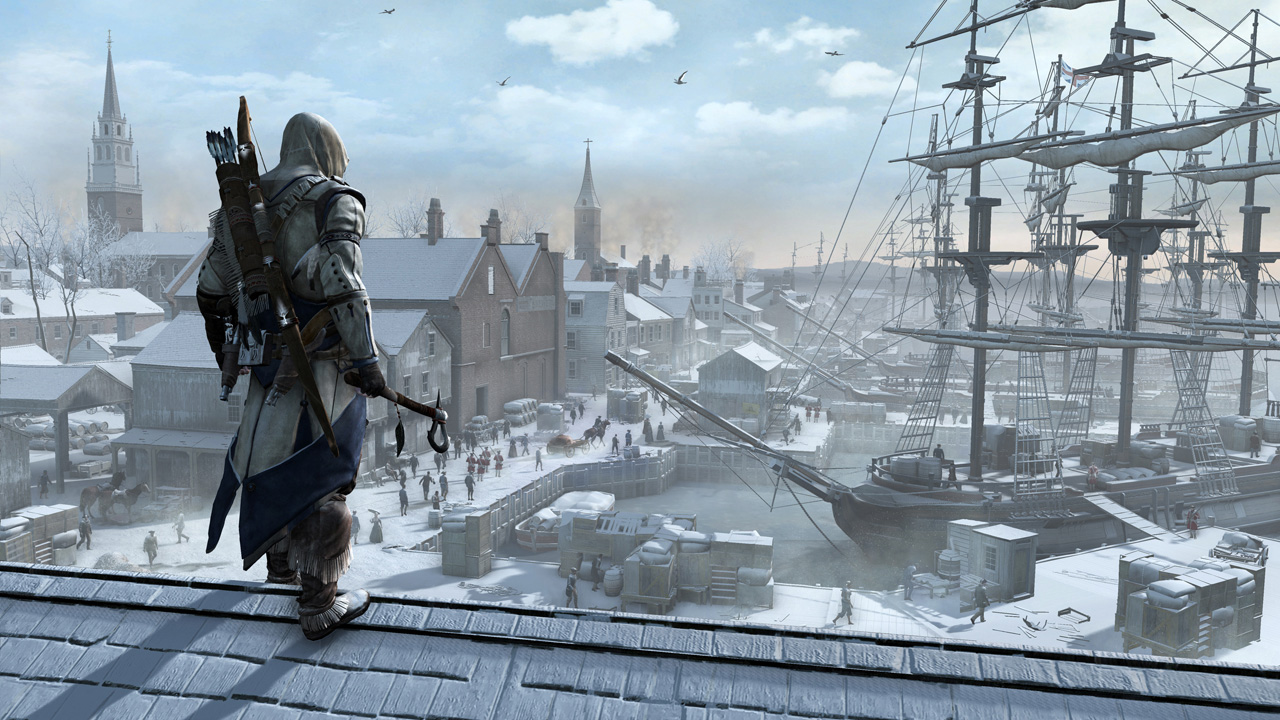
Vantage Point. A place where players can see some of the key points and connections. It helps them build a cognitive map quickly. It's good to provide one at the start, to orient players in an unfamiliar world. But don't overdo it. Too many entities at once will overwhelm them. Nor should you reveal the entire location immediately: every player has some explorer in them who enjoys finding things independently.
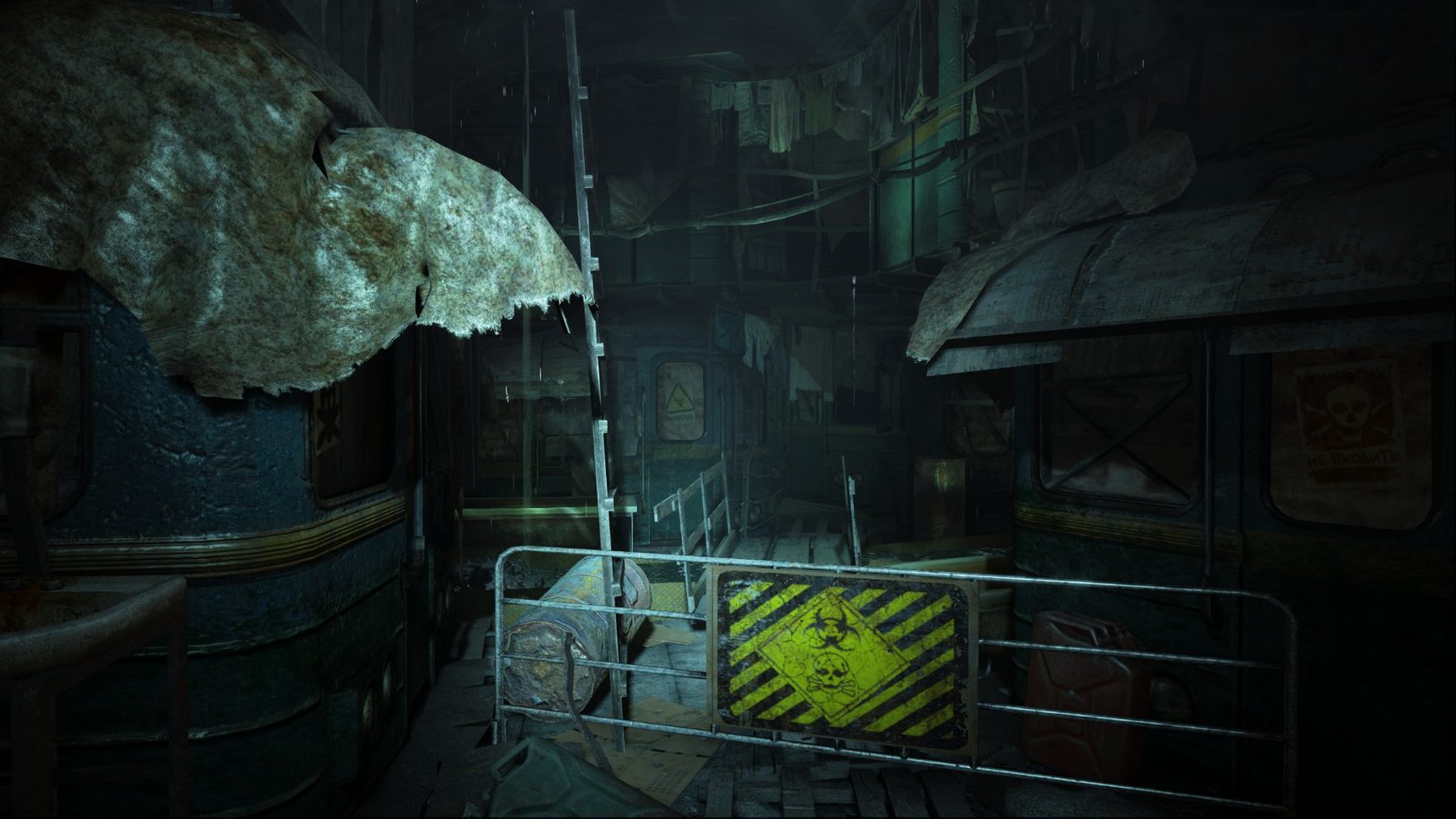
Tunnel. An arrangement of barriers leaving players only one direction to move. A level designer's favorite tool because it makes behavior and camera direction predictable. Sometimes it's easier for players too: less thinking. But that's only for simple movement. Add an enemy to the tunnel and tension rises sharply, because restricted movement makes the player vulnerable.
Point of Interest. A gentler way to guide players. If we don't restrict movement, players can go anywhere, but we still need to suggest where they should go. We need objects large enough to be distinguishable from afar. If they are sufficiently interesting against the background—a rocket ready to launch amid monotonous mountains—players will want to approach. What happens on arrival must be part of the designer's intention, or players will be upset to discover the interesting object holds nothing interesting and the journey was wasted.
Guides. A simple way to suggest how to use the freedom of movement provided. You can go wherever you want, player, but notice the road we've laid: following it might lead to something interesting. Ordinary human experience tells us roads don't lead nowhere. Real life also teaches that a road is more comfortable to travel along than rough ground.
Landmark . A unique, easily readable entity visible from most of the location. It is a key element in building a cognitive map: players attach other elements to it by distance and direction. They may not know north from south; their compass points are “towards the landmark” and “away from the landmark”. Some camera designs don't allow a landmark, as in the Diablo games. It is good practice to use the landmark at the end of the location or the entire game, since players have been teased with it for so long.
So we've gone from discussing the world's reality to clear, practical advice. Much of this may be familiar to experienced level designers, but understanding the processes behind these tools never hurts.