
Acquiring, retaining and monetizing players
My articles, breakdowns and video lectures on game development.
Showing 55 of 55
Acquiring, retaining and monetizing players
Original games and client projects as a business

How brands reach their audiences through games
How independent games find a place in museums
From a racing-game idea to its first players
Roblox in the context of metaverses
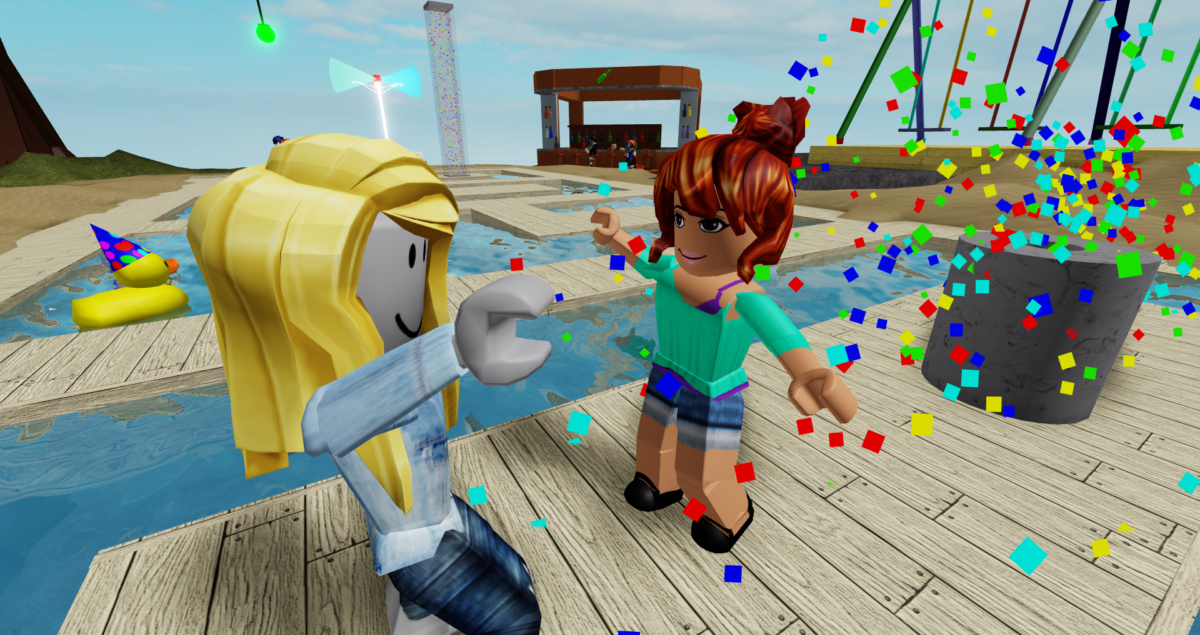
A studio’s experience entering the online-event market

Expectations and realities of independent development

Yaroslav Kravtsov as a guest of Narratorika

Developing game projects with the Unity engine

Joel Burgess’s approach to iteration and level quality
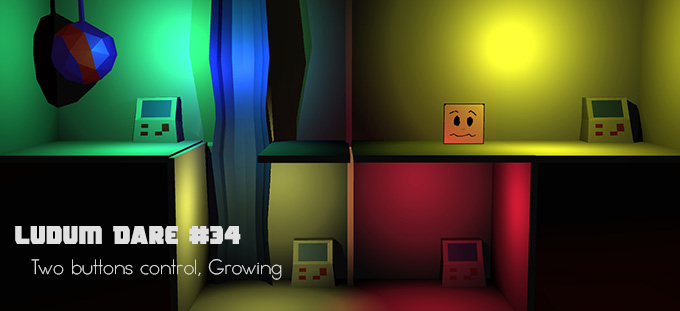
Two-button controls and the move from prototype to game

Petr Sikachev’s ideas on leader control and engagement
Hidden techniques that change how a game feels

Why a medium does not determine artistic value

First steps with the Unity game engine
How players notice, understand and remember spaces

Stories for a shared adventure in VR

Helping a team finish a playable game in time

From first projects to a career and a studio

Games and leisure in an increasingly automated world

How technology and players reshaped the industry

How payment models reshape game design

Digital doubles, with Natalia Alfutova

Game systems built around an open economy

Designing playable spaces across different genres

Movement, scale and playtesting a VR prototype

Preparing a booth, a demo and conversations with players

Presenting your game at a conference

Helping a small team take a project to release

How story supports engagement and game sales

From plans and prototypes to readable play spaces

Deadlines, feedback and finding your team

A clear foundation for a game, not tangled diagrams

Story, navigation and lessons from a 48-hour game
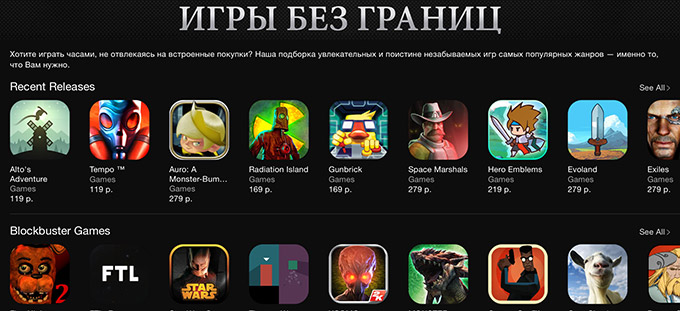
Russian-language indie projects sold as paid games

Turning player feedback into useful decisions

Scale, camera, composition and working with artists

Overcoming the fear of speaking English

Flight, upgrades and the limits of a two-day project
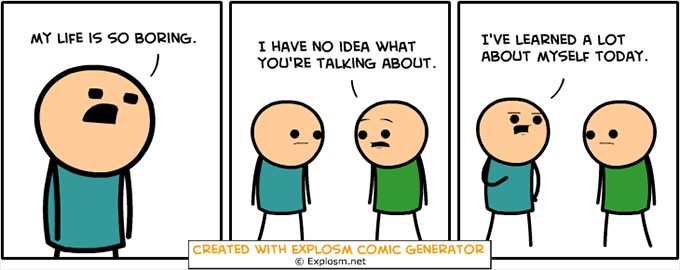
Teaching mechanics through the experience of play

A hypothesis about expectations and actual outcomes
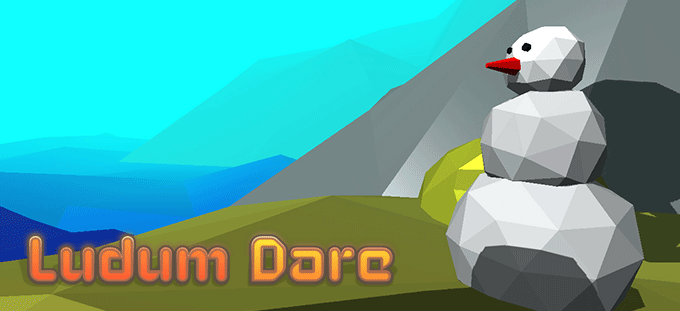
How Fill the Bar grew from 2D into a 3D world
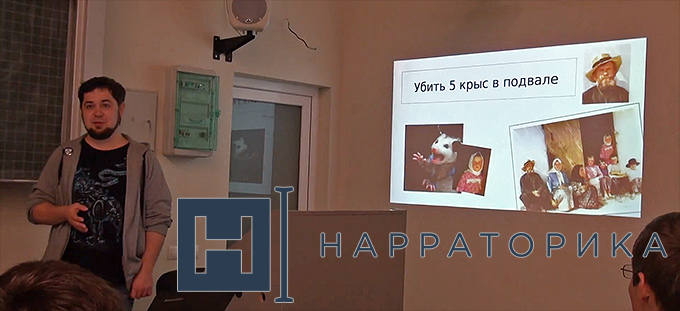
Story in games: early ideas and audience discussion
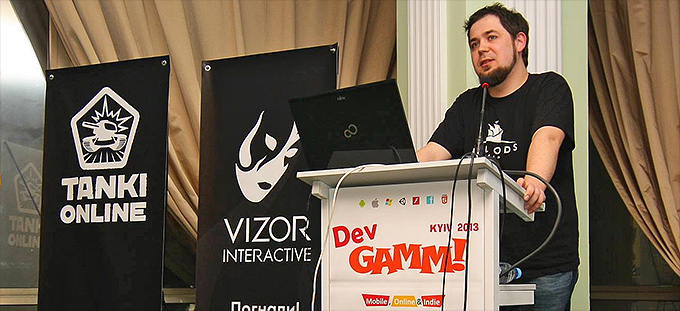
Bringing world, play and story into a coherent whole
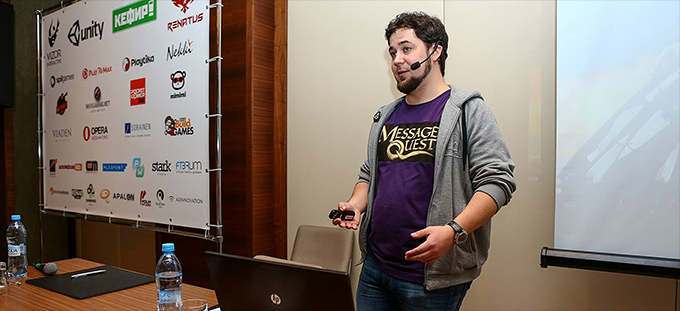
Connecting story, world and player actions

Progression and changing conditions prevent monotony

Habits that get in the way of professional growth
A personal reading of the story and ending; spoilers

Portfolio, test assignment and talking to the team
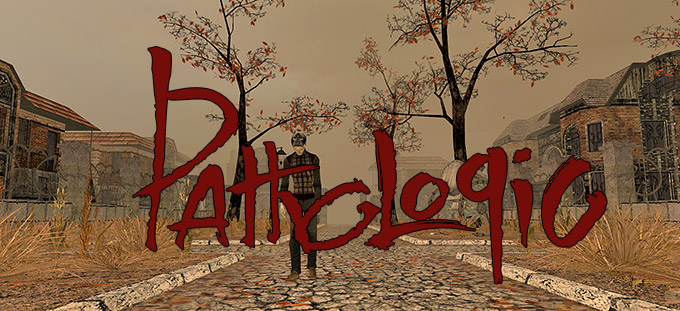
A fan-made widescreen adaptation of Pathologic

Landmarks and connections on the player’s mental map

How players perceive price, risk, reward and choice

From a map of locations to a playable solo level

Opportunities for games to work with other fields