A fantastic thread appeared on Twitter in which developers share game mechanics hidden from players, designed to evoke particular feelings. I thought I would translate a few examples, but ended up with several pages. This is a loose translation, and I cannot vouch for the accuracy of the facts. Some developers discuss their own games; elsewhere, someone has heard something and retold it. Twitter's thread interface becomes a complete mess when there are lots of replies, so I have gathered what I could.
Polygon has already published an article about it. But it is Polygon, it is in English, and its selection is not the latest.
1. In Assassin’s Creed and Doom, the last segment of the health bar contains more hit points than the others, creating a feeling of surviving and pulling through with your last ounce of strength.
2. Serious Sam. A bullet is 1 meter thick when checking whether it hits an enemy, and zero meters thick when checking whether it hits the environment. This lets you shoot close to a corner and still hit the enemy easily.
3. Serious Sam. Shotgun pellets spread more horizontally than vertically, making it easier to hit several enemies with one shot.
4. Firewatch. If the player does not respond to a radio conversation, that also counts as a choice. The game responds to the silence, creating a sense that ignoring someone has social consequences and that the other character is “real.” The Walking Dead series uses a similar system, but there it is represented in the UI as “…”.
5. LUFTRAUSERS. The first few enemies deliberately miss the player, making it feel as though the player is exceptionally good at dodging.

6. Civilization: Beyond Earth. An AI opponent deliberately has an opposing ideology to initiate conflict.
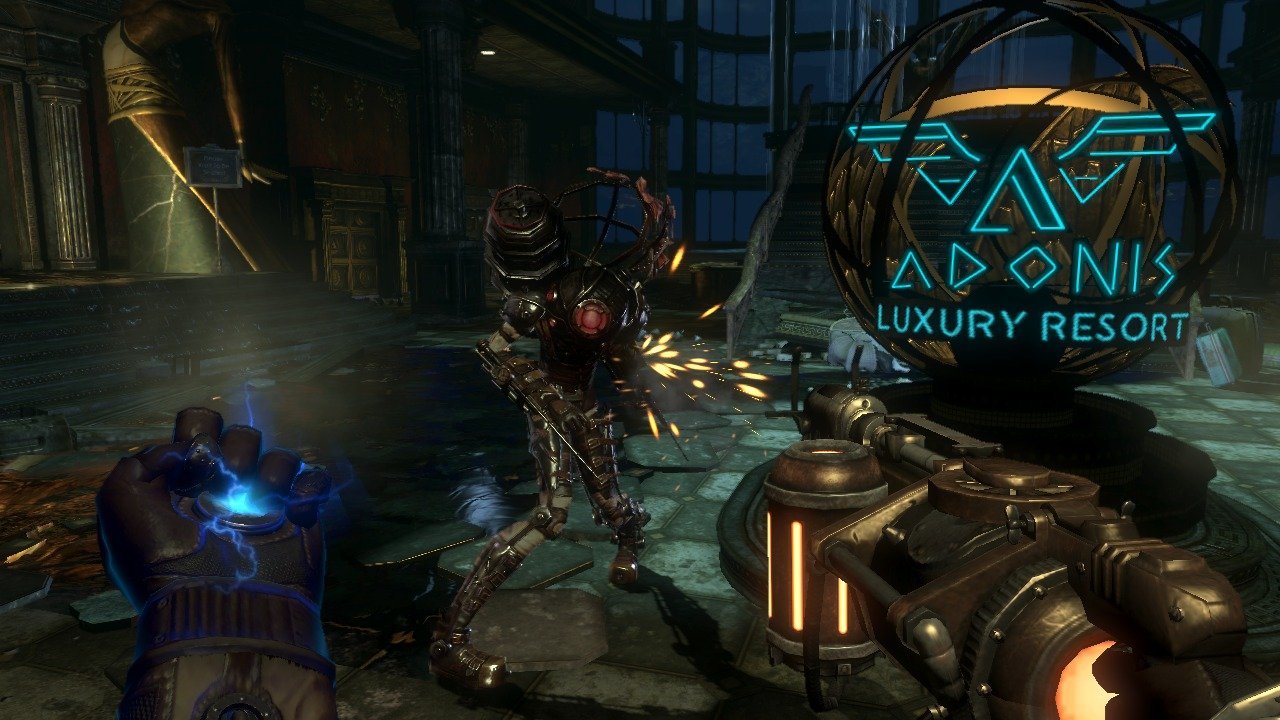
7. In Bioshock, if the player received a fatal hit, they would instead become invulnerable for 1–2 seconds, creating “barely survived” moments. Big Daddy also ran more slowly when the player looked away, avoiding situations where players died without understanding why. Other developers admitted that they also slow down off-screen enemies.
8. For example, in DmC, off-screen enemies slowed down and suspended their attack patterns to avoid attacking from the player's blind spots and to let the player fight a larger number of enemies.
9. Hi Octane. The cars had different stats in the interface, but in reality there was no difference between them.
10. In Half Life 2, when an enemy missed, the bullet was sent along the most “interesting” trajectory.
11. You probably already know that Fallout 3 created the impression of a train by turning a character's helmet into a carriage: the moving carriage is a running character with a carriage for a head. Such tricks are part of Bethesda's culture. For example, the translated article about iterative level design mentions making a table by burying a wardrobe in the ground.

12. Titanfall 2. Projectile hitboxes grew during flight to make it easier to hit fast-moving objects at a distance.
13. Racing games such as Forza Motosport use a vignette during acceleration to create tunnel vision. Games also slightly increase the field of view (FoV) to intensify the sense of speed.
14. In the first Half-Life, if there are more than two enemies against the player, only two actually attack. The others run to random positions and shout things like “flanking.”
15. In PacMan, each ghost has its own AI. The red ghost follows the player; the pink one tries to reach a point four tiles ahead of the player. The blue ghost tries to approach from the opposite side to the red ghost. The orange ghost's behavior changes with its distance from the player. More details here: http://gameinternals.com/post/2072558330/understanding-pac-man-ghost-behavior
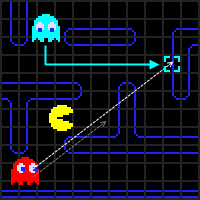
16. PacMan. The ghosts also change the direction they look before changing the direction they move.
17. PacMan can cut corners by starting a turn before reaching the corner, while ghosts cannot. This gives the player a slight advantage.
18. PacMan slows down while eating dots. It is not always noticeable, but it means that moving through an empty corridor is safer, while entering a corridor with dots requires taking a risk.
19. Fable 2. If the companion dog got stuck pathfinding and fell far behind the player, it respawned outside the camera view and ran back to the player. Reviewers then praised the game for the dog's realistic behavior.

20. A similar mechanic was used in Sherlock Holmes: Crimes & Punishments. This April Fools' video takes it to the extreme:
https://www.youtube.com/watch?v=13YlEPwOfmk
21. Hidden mechanics work in real life too. IKEA stores have shortcuts for getting through the store quickly. Customers who discover them feel clever.
22. If a player dies in Resident Evil 4, fewer enemies spawn next time, helping prevent the player from getting stuck there.
23. A defeated enemy in Spacecraft is given one hit point until it enters the player's field of view, so the player sees more spectacular explosions on screen.
24. Halo 2's tutorial asks the player to look up. This determines which vertical controls to use: standard or inverted. Portal uses the same trick.
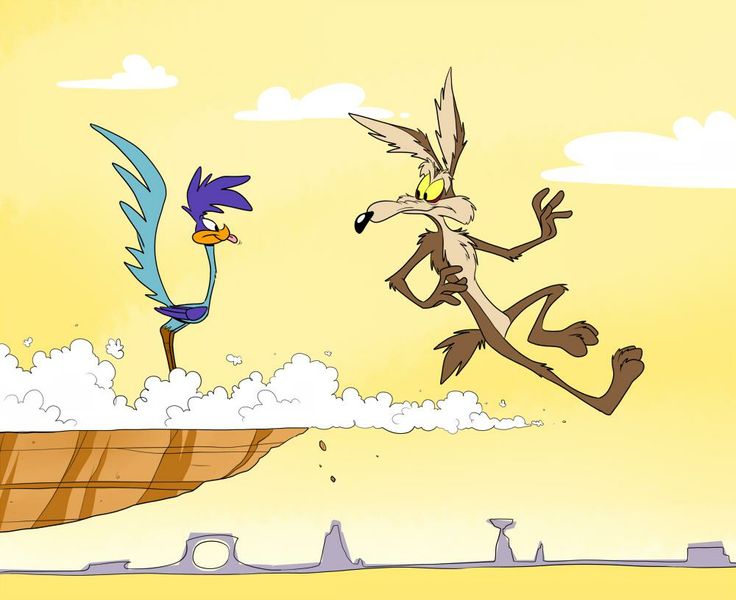
25. “Coyote time” is the term for the brief period when a player has already walked off the edge of a platform but can still jump. It is named after Wile E. Coyote from Wile E. Coyote and The Road Runner. This invisible feature separates a good platformer from a terrible one.
26. In some platformers, players can press jump just before landing, before they have fully touched down.
27. Surgeon Simulator has many features hidden away for curious players. For example, dialing a real phone number in the game actually calls it. The developers maintain a special server for this.
28. In Keep Talking and Nobody Explodes, distractions such as a ringing alarm clock depend on how successfully the player is progressing, making bomb defusals more likely to happen in the final seconds.
29. The xenomorph in Alien: Isolation has two brains. One always knows where the player is and gives hints to the second brain, which controls the body.
30. Far Cry 4 deliberately reduces the accuracy and damage of NPCs close to the player, helping the player feel powerful.

31. In F.E.A.R., when one NPC's AI wants to perform an action, such as throwing a grenade, it finds another nearby NPC and makes that NPC say a line about the action (“throw a grenade!”). This creates the impression that the characters are communicating.
32. F.E.A.R. Bullet trajectories curved toward explosive objects. Because explosions are cool.
33. In Left 4 Dead, the AI prioritizes the player who is farthest from the group or being attacked less than the others. This encourages staying together. It also redistributes attackers, giving other players time to heal.
34. Halo 2 lets players feel their impact on the battlefield by making NPC infantry panic when the player kills an elite enemy nearby.
35. Thugs in Arkham Asylum try hard to avoid turning 180 degrees, allowing the player to act stealthily behind their backs.
36. Elizabeth in Bioshock Infinite throws items to the player based on the current situation. Out of ammo? Here is a new gun. Nearly dead? Here is a medkit. She creates these items herself rather than finding them in the level. This help in a difficult moment gives the player relief and joy at receiving exactly what they need at the right time.
For more on AI in games, see these episodes:
https://www.youtube.com/playlist?list=PLokhY9fbx05eq8SvcNOxYRquYMzMjF9Ok
38. In System Shock, the last bullet deals double damage. Like the trick with the last segment of health, it makes you feel you defeated the enemy by the skin of your teeth. A similar trick is used for the last bullets in a magazine in the first Gears of War.
39. An enemy in Bioshock always misses the player with its first few shots, preventing sudden damage.
40. The first fight with a Big Sister in Bioshock 2 ends when the player has very little health left, regardless of how well they have fought.
41. In some LEGO games, enemies rolled a “hit/miss” probability. If a shot was meant to miss, it was not only aimed away from the player but also had its collision disabled. This let enemies fire frequently, creating a sense of heavy gunfire while ensuring that shots meant to miss could not hurt the player.
42. Red Faction: Guerilla has a similar system. On lower difficulties, only the nearest enemies attacked the player, while the others merely looked busy. Enemy accuracy also dropped at the start of combat and after hitting the player, giving them time to reach cover with bullets flying around.
43. Not exactly a hidden mechanic, but in Wolfenstein 3D, the player's health determined which items restored health. For example, a critically wounded player could heal using pools of blood and dog food.
44. Many games handle gamepad controls so that, when a player quickly lowers their gaze after looking up, the camera snaps to the horizon, making the player feel they aligned their view that precisely themselves.
45. In Event[0], movement speed through 3D space using the mouse depended on what the player was looking at. For example, when looking at a terminal, the player needs to position themselves precisely to read its screen. Movement therefore slows down compared with crossing a large room.
46. Dark Souls 3 bosses time their attacks to match the music playing during the fight. Only the hardest boss breaks this rule. The game also pauses for a fraction of a second on impact to make hits feel stronger.
47. In some VR games, the player's path is continually curved, allowing them to walk in circles for a long time within a small space.
48. Most ranged attacks in League of Legends have a “lollipop” effect. If a projectile hits no one during its flight, its endpoint checks for targets in a small radius. The area in which damage can be dealt therefore resembles a lollipop.
49. Spelunky does not generate a dark level if the player completed the previous one in less than 30 seconds. This makes speedruns possible.
50. Far Cry on PC used adaptive AI difficulty. At checkpoints, the game calculated statistics such as how much damage the player had dealt and how many times they had died per minute. These determined enemies' health and accuracy. If the player encountered a difficult section, the game helped them through it. The difficulty then returned to the designers' intended level, but never went above it.
51. Chests and loot boxes often have a counter for valuable items that increases the chance of a good drop each time one fails to appear, as well as a hard limit on the number of boxes that can contain no good item. This protects the player from extreme bad luck. For example, in Hearhstone a player is guaranteed an epic card within 20 packs and a legendary within 40.

52. In Shadow of Mordor, uruks fighting each other received extra health to make fights longer and more spectacular.
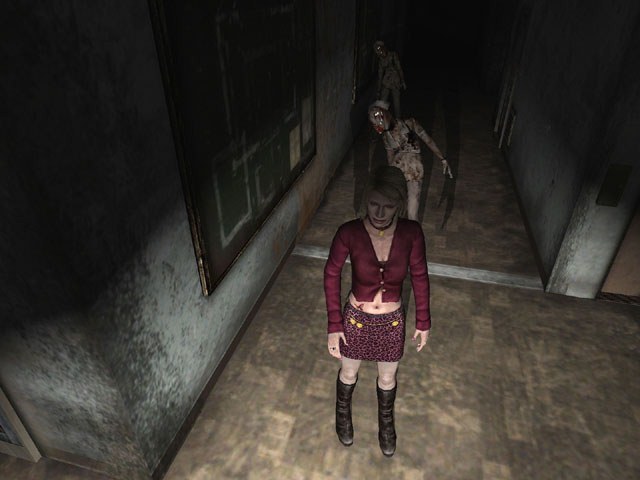
53. The creators of Silent Hill: Shattered Memories wanted the game to be frightening but not impossible to finish. Every time the player died, the AI lost one sense—smell, hearing or sight—and then the number of enemies was reduced. Only two enemies attacked the player directly; the others flanked or moved toward the room's exit. They moved at double speed, creating frightening movement in peripheral vision. There was also a problem with journalists replaying the same section more often than ordinary players and then concluding that the game's AI was rather stupid.
54. Early ToCA Race Driver games marketed a feature whereby AI drivers remembered the player's cutting them off and sideswiping them, then took revenge. Players and reviewers confirmed this feature, although nothing implementing it existed in the code: pure psychology.
55. In Burnout games, crash physics deliberately sent the crashed car toward other cars to make the spectacle more exciting.
56. In Thumper, the level number determined the musical time signature. Level one was 1/4, level two 2/4, level three 3/4, and so on. This gave each level a unique rhythm while preserving a consistent sense of rhythm between levels.
57. The developers of Gears of War discovered that 90% of players would not play a second multiplayer match if they failed to kill anyone. They therefore added hidden bonuses, such as extra damage, that disappear after the first few kills.
58. In The Suikoden, traveling in a straight line on the world map means the player has a destination, so random enemies interrupt less often. Zigzagging suggests the player wants to grind, so the game offers more random encounters.
59. In Half-Life 2, railings and ledges act as “ragdoll magnets,” so dying enemies often fall over them. A similar mechanic existed in the classic Doom: an enemy standing at an edge fell forward when killed instead of being knocked backward.
60. A Rocket League match does not end until the ball touches the ground. Experienced players may overlook this, while players who know about it can use it to their advantage.
61. The Bureau/XCOM increased AI aggression if the player did not move every 15–20 seconds.
62. In Jak and Dexter, the player would stumble and fall on flat ground to give the game enough time to load the next section of the level from disc.
63. Thief: The Dark Project. A sword increases the player's visibility because it supposedly reflects light. The player must therefore choose between stealth and being ready to fight. Commenters add that this mechanic is not hidden: the player's visibility indicator shows the change. After the seventh level, the player finds Constantine's sword, made of dark metal, which does not affect stealth. It is still a good example of risk–reward management.
64. XCOM (the particular version is not specified here or in the following examples). On easy and medium difficulty, hit chances change according to how many members remain in the player's squad.
65. XCOM. Hit chances rise after several missed shots. The chance increases through an invisible bonus, making the player feel they pulled through against the odds with their last ounce of strength.

66. XCOM. The game tries to keep the player in a “win, win, lose” cycle. If players do too well, their next mission will cost them part of their squad. The AI cheats by sending patrolling enemies toward the player even if they have not spotted them yet.
67. Tetris pieces are not entirely random. A buffer shuffles all 7 pieces, then gives them to the player in order. This prevents repeated runs of the same piece and ensures that a player waiting for a particular piece will eventually receive it.
68. In Deadlight, the final part of the stamina bar refills 10 times faster than normal, so it never quite runs out.
69. Deadlight. When reloading a revolver or shotgun, each round can be loaded manually. Mastering the timing makes reloading 50% faster than automatic reloading.
70. RiME. Once the player starts running, auto-run activates and continues until they stop or collide with something. Movement in enclosed spaces requires precision, but continued running gradually increases speed. The player therefore moves considerably faster through open spaces.
71. RiME. The game notices when the player is stuck and running in circles, and sends the fox to help. It appears and attracts attention to the area the player must reach, or to an object they must interact with to solve a puzzle.
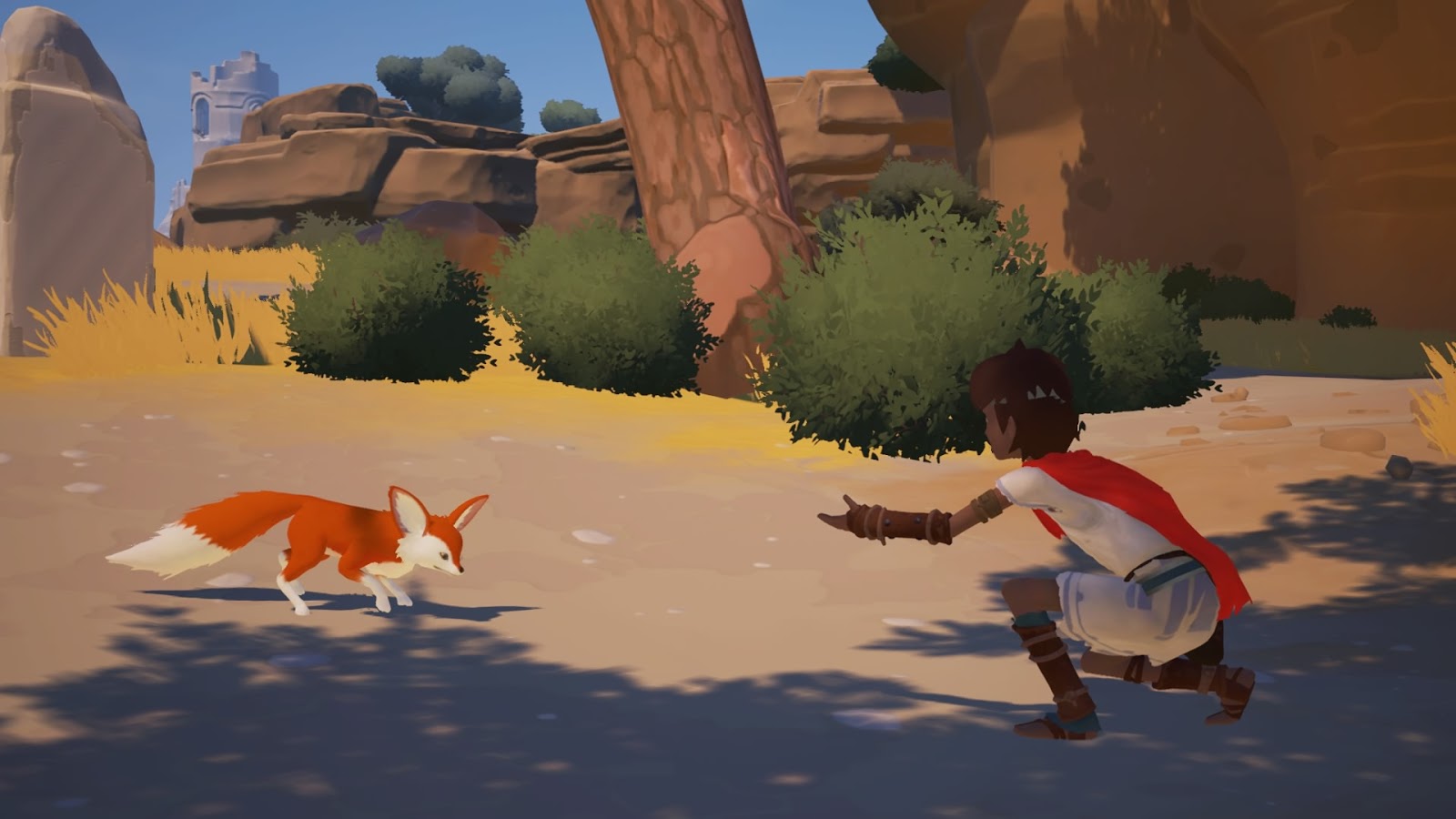
72. RiME. Underwater, the frequency, number and size of bubbles exhaled by the main character indicate how long remains before drowning. Even after running out of air, the player still has 1–2 extra seconds to reach the surface.
73. Subnautica. A similar mechanic: when oxygen runs out, the screen darkens, but there are still a few seconds to escape and feel “I survived by a miracle.”
74. NBA Jam. The probability of scoring increases if the score difference is greater than 10 or there are 30 seconds left in the match.
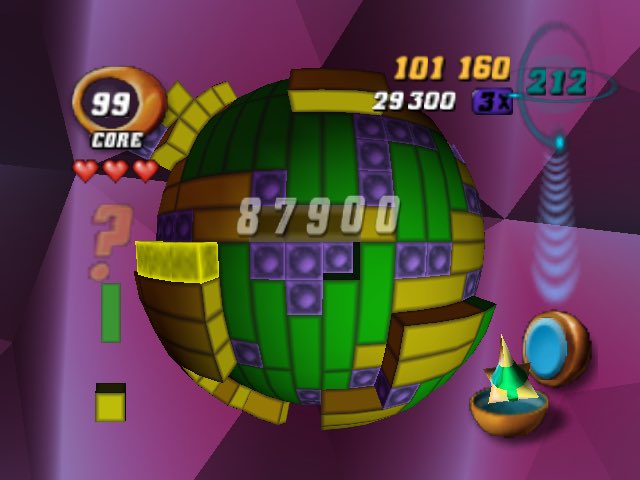
75. Torus. A grid cannot be mapped onto a sphere without distortion. The game therefore hides the distortion error on the back of the sphere, where the player cannot see it.
76. Really Bad Chess. Board generation limits the number of pawns the player receives, but not the opponent's. Playing with a mass of pawns is boring, but playing against them is not.
77. Endless Legend. Faction AI tries to play according to its style and lore rather than trying to win. This helps immersion.
78. In many platformers, enemy colliders are smaller than their sprites, making players feel they dodged an enemy at the very last moment.
79. Technobabylon. If the player fails to hide from a guard, the hiding areas behind objects—the guards' blind spots—become slightly larger next time. This can continue until the guards become “blind.”
80. In the fifth edition of Dungeon & Dragons, character progression is balanced on the assumption that the player has no magic items. Magic items therefore feel special and provide a bonus.
81. Maxis Simant. The AI uses one invisible ant that is always present on the map. It serves as a pointer for attracting workers to food and gathering soldiers for an attack.
82. Donkey Kong Country. When the player is fired from a barrel cannon, gravity and midair character controls are disabled briefly. This makes the shot look the way players imagine cannons should work.
83. Jagged Alliance. Drop chances decreased after every quicksave during combat, encouraging players to play honestly.
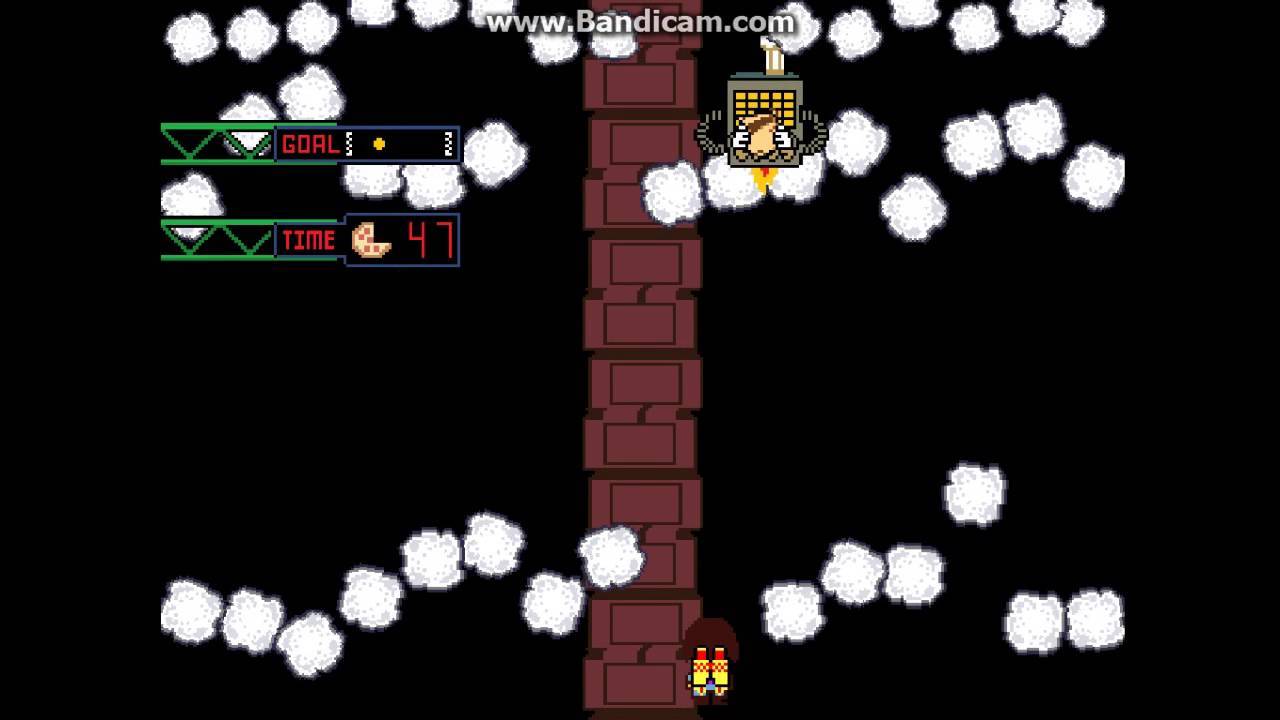
84. Undertale. There is a section where the player must reach a destination within a time limit using a jetpack. Time slows as they approach the destination, ensuring they can make it in time.
85. Furi. The final phase of a boss fight is designed to look more impressive while being relatively easy, giving a high chance of an epic win.
86. Guitar Hero. Originally, a song performance could receive one star out of five. After the first playtests, the lowest rating was changed to three out of five stars.
87. Metal Gear Solid. The player is told they have 300 seconds left to find a bomb, and a 3:00 timer appears. They actually have 5 minutes, but the presentation makes them feel they must hurry.
88. N++. Gold has a collision radius twice its visual size, making it easy and fun to collect. Mines, conversely, have a smaller radius.
89. Oddworld: New’n’Tasty. Enemies always miss when the player is pulling up over a ledge, entering a door, and so on. This creates the feeling of having escaped a hit at the very last moment.
90. Enemy Mind. The ship moves from right to left one and a half times faster, and nobody noticed. This was done to stop players lingering on the right side of the screen.
91. Enter the Gungeon. The AI warms up just like the player. The longer you play, the harder it becomes—even on the first level.
92. Half-Life 2, Team Fortress. The first pellet in a shotgun blast always has 100% accuracy. This probably guarantees a hit, which matters in cases where hitting is more important than damage—for example, knocking away a sticky bomb in TF2.
93. Half-Life 2, Bioshock. When the player breaks a crate or looks inside a container, the game checks their inventory and supplies something they may need.
94. Silent Hill. The opposite situation: the game makes sure the player does not accumulate too many medkits or bullets.
95. Chroma Squad. When the rangers have little health left, they receive an invisible dodge bonus to preserve the drama of the moment.
96. Peggle. The ball's trajectory is slightly adjusted to improve the player's result. This and other examples of designing luck in games are well described here: http://nautil.us/issue/44/luck/how-designers-engineer-luck-into-video-games
97. We Eat Blood. Gender is never specified. Players decide for themselves which gender they prefer.
98. Talos Principle. Each puzzle has a nominal height at which all connectors are positioned. This prevents exploiting uneven terrain to cheat.
99. Crysis. When a car explodes, there is a chance that one of its parts will fly toward a point near the player.
100. Settlers. Income efficiency from AI-controlled mines depended on the player's progress to maintain a sense of competition.
As an afterword, a quote from one player who read the thread: “Rereading this thread, I realize how much game designers care about us. It fills my heart with joy. Thank you, game development.”