Automatic translation of the archived Russian text. Recordings and text within images remain in their original language. Read the Russian original
About this material
A working hypothesis that emotions arise from the gap between expectation and outcome, illustrated through games and personal jam experience. The discussion considers familiar patterns, surprise and expressive characters as ways to strengthen the player’s response.
I have a hypothesis about emotions. It has no scientific grounding yet, but it produces practical results. It goes like this: emotions arise from the difference between outcomes and expectations. Whether those emotions are positive or negative depends on whether the outcome exceeds expectations or falls short. The greater the difference between the outcome and the expectation, the stronger the emotion. Examples: Expectation: this is a difficult boss and I have almost no health left — I will probably lose. Outcome: with my last ounce of strength, I managed to kill the boss. Emotion: the joy of victory. Expectation: I have an enemy in my sights and am about to add another kill to my score. Outcome: the game lagged, I missed, and I could not dodge in time, so I died instead. Emotion: outrage. Expectation: I am watching a film and recognize a familiar pattern: the main villain is not really the villain; the hero’s sidekick will turn out to be the villain. Outcome: that is exactly what happens. Emotion: a poker face. I used this approach in my Ludum Dare game. At first I fooled the player into thinking they would have to play a boring game with drab graphics. Once they accepted this and kept playing, they suddenly discovered a beautiful three-dimensional world around them, where they could walk and listen to music. This gap between expectation and reality sparked a flood of positive emotions. Just read the comments on the game.
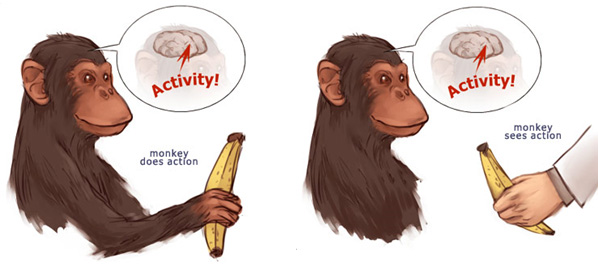
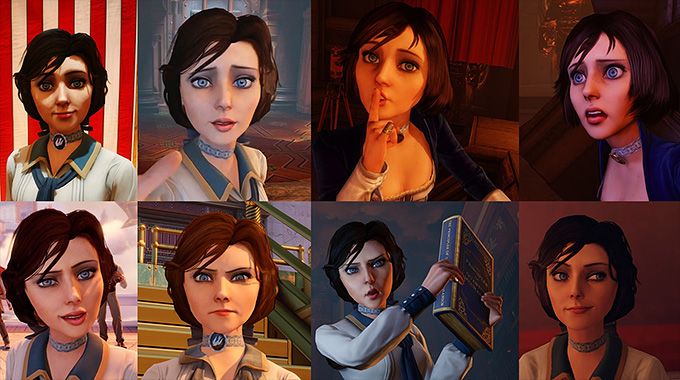
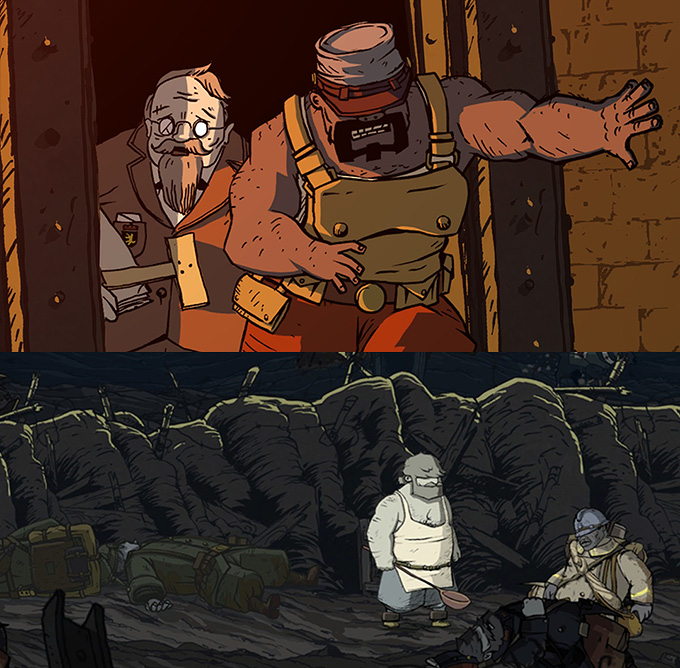
We can draw the following conclusions from this simple rule: * If you make a game similar to ones already on the market, players will arrive with expectations already formed. You therefore need, at the very least, to meet those expectations to avoid negative emotions. To create positive emotions, you need to rise well above that bar. * The same problem occurs if a game’s marketing creates expectations higher than the game can actually fulfill. Even if the game is good, players will still be angry because it does not match their expectations. Diablo 3 is a telling example: players hyped themselves up so much that they could not accept the game for what it was. * To create emotion through gameplay, you need not only to produce an outcome but also to work with expectations, steering them away from that outcome. For example, if your city level has a lookout with a magnificent view, do not tell the player about it in advance. Instead, lead them there through narrow alleys. The sudden beautiful view will create a wow effect; if you prepare them for it, there will be no emotion. * Our minds will always look for familiar patterns in everything, including familiar ways of subverting expectations, as in the third example above. You should therefore either avoid common patterns or use them in full to create a misleading line of expectations. * Players can be freed from expectations by being told that what lies ahead is unpredictable, thanks to a random generator. * Freedom from expectations is a powerful tool that I have not yet figured out how to use. Without expectations established by familiar patterns and advance preparation, players experience a game as it is and form their own expectations. For example, when first launching DayZ, Minecraft, or Don’t Starve, players do not know what awaits them in that world. Emotions can be intensified as well as created. Thanks to mirror neurons, we can feel emotions by watching other characters experience them (with a reason for it, of course). So make sure your characters can express emotions through their voices, faces, bodies, and, most importantly, eyes. The reverse is also true. If you happen to be making a game about an emotionally difficult subject, you can reduce the intensity by hiding characters’ eyes and facial animations, as in Valiant Hearts: The Great War. One final point. You have probably thought of the positive emotions that come from receiving a reward and filling another experience bar. That is merely a response to positive stimuli. It may be enough to create yet another Skinner box, but if you have not forgotten what inspired you to enter the game industry, think about creating real emotions.